


Through a Clients Eyes: Chris Jackson
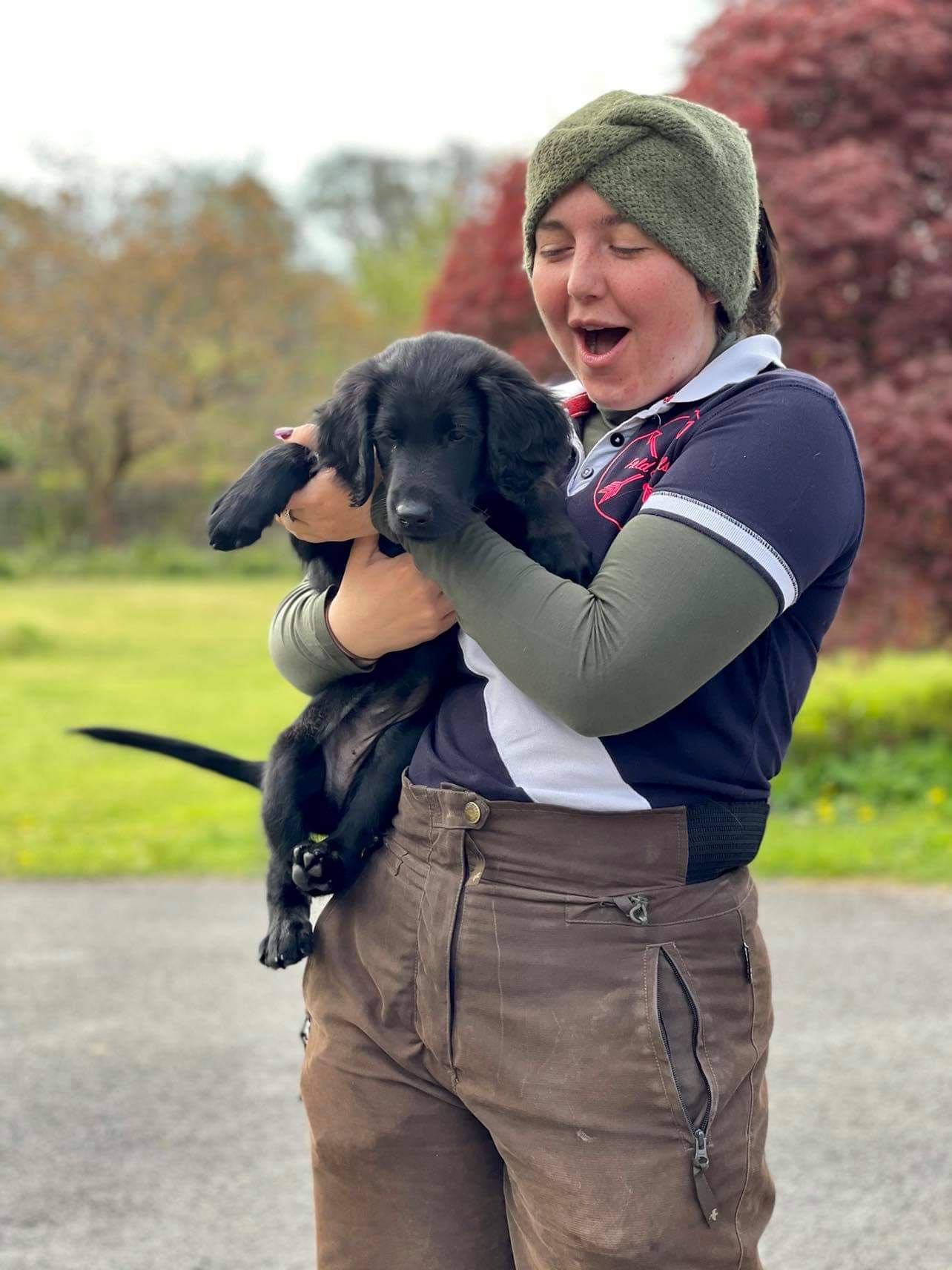
On most Saturday mornings, I turn up to Claudia’s Canine Coaching with three things:
1. a lead
2. a pocket full of treats
3. the quiet confidence of someone who is about to be reminded they know absolutely nothing

My dog, meanwhile, arrives like they’re headlining Glastonbury. Tail wagging, eyes sparkling, fully convinced the session is here to celebrate their greatness. Which is fair. They are great.
But here’s what I didn’t realise when I first started going: dog training classes aren’t really dog training classes.
They’re human training classes… with dogs present for quality control.
Puppyhood: tiny dog, massive personality
When your dog is a puppy, everything feels urgent. You’re trying to do things properly—socialisation, recall, lead walking, manners—while your puppy is busy treating your home like an obstacle course designed entirely for chaos.
They bite. They jump. They grab things they shouldn’t. They forget what “no” means the moment you say it.
And you love them so much you’d happily forgive them anything… right up until they’ve eaten the same sock twice.
What Claudia helped me understand early on is that puppies aren’t being “bad.” They’re being new. Their brains are still loading, and the world is enormous.
So the goal isn’t perfection. It’s guidance. It’s teaching them what does work. And—this is the part that surprised me—it’s teaching me how to show them.
Because it turns out “He knows what I want” isn’t training. It’s just hope. Lovely, optimistic hope. But still.

Adolescence: the “I’ve never met you” phase
Then adolescence arrives. And if puppyhood is chaos, adolescence is confidence with selective hearing.
This is the stage where your dog—who was doing brilliantly—suddenly acts like:
• recall is a concept they disagree with philosophically,
• other dogs are more fascinating than you will ever be,
• and you are, tragically, “just the person holding the snacks.”
It’s humbling. It feels personal. It isn’t personal.
Claudia explained it in a way that stuck with me: adolescence isn’t stubbornness, it’s development. Their brain is changing, their confidence is changing, their distractions are bigger, and they’re figuring out the world.
And this is exactly where the “it’s actually human training” thing becomes very real.
Because a dog doesn’t only respond to the cue you say. They respond to the whole situation:
• your tone
• your body language
• your timing
• the tension on the lead
• your nerves
• your consistency (or lack of it)
Basically, they’re watching everything, which is mildly rude but also incredibly useful.
So when I’m tense, my dog knows. When I’m distracted, my dog knows. When I give a cue I don’t really mean, my dog knows.
And when I’m calm and clear, my dog relaxes too. Not always immediately. But over time, it changes everything.
The big reveal: most “dog problems” are human habits
Here’s the truth I wish someone had told me sooner (gently, ideally, with snacks):
A lot of the “dog problems” we struggle with aren’t because our dogs are stubborn or naughty or trying to dominate the neighbourhood.
They’re because humans are inconsistent.
We repeat cues when the dog doesn’t respond, so the dog learns the cue doesn’t matter the first time.
We reward at the wrong moment, so the dog gets paid for the bit we didn’t like.
We expect a behaviour in a situation the dog hasn’t practised for yet.
We get embarrassed, rush, apologise, tighten the lead, hold our breath… and the dog goes, “Ah. Something’s happening. I will now take control of this situation with enthusiasm.”
None of this is a moral failing. It’s just being human.

What Claudia does brilliantly is help you notice these patterns without making you feel judged for them. It’s practical, calm, and quietly reassuring—like someone turning the lights on and going, “Right. Here’s what’s actually happening.”
And once you see it, you can’t unsee it.
What training actually looks like (from the owner’s end of the lead)
Training isn’t one dramatic moment where your dog suddenly becomes “well behaved.” It’s lots of small moments, repeated.
It’s learning to:
• reward the behaviour you want, when it happens
• set up the environment so your dog can succeed
• practise in stages, not in the hardest situation straight away
• be consistent with boundaries (kindly, not harshly)
• stop panicking when progress isn’t perfectly linear
And you learn that what looks like a “dog issue” is often a communication issue.
Your dog isn’t trying to make you look silly. They’re trying to figure out what works. And if barking works, they’ll bark. If pulling works, they’ll pull. If ignoring you works… well, you get the idea.
Change what works, and the dog changes.

Adulthood: the dog you hoped for, and the human you became
The best part of sticking with training isn’t just getting a calmer dog. It’s becoming a calmer owner.
You start noticing the early signs before things escalate.
You stop taking behaviour personally.
You stop expecting your dog to cope with things they haven’t learned yet.
You get better at advocating for them—creating space, saying no to unwanted greetings, choosing calmer setups.
And your dog, in return, starts trusting you more. Not because you’ve controlled them, but because you’ve become predictable. Safe. Clear.
That’s what this journey really is: a relationship.
The love bit (because obviously)
I adore my dog. Completely. Ridiculously.
Even when they’re being chaotic.
Even when they pretend they don’t know me.
Even when they embarrass me in public with the confidence of someone who has never once paid council tax.
Training hasn’t changed how much I love my dog. If anything, it’s deepened it—because I understand them better now.
And the biggest takeaway I’ve had from Claudia’s Canine Coaching is this:
You’re not just teaching your dog how to behave in your world.
You’re teaching yourself how to lead with calm, consistency, and kindness—so your dog can feel safe in it.
Which is very poetic for something that often starts with, “Please stop eating that.”


Comments